
Why Can't You Tell Which Families in My Photos Are Neurodivergent?
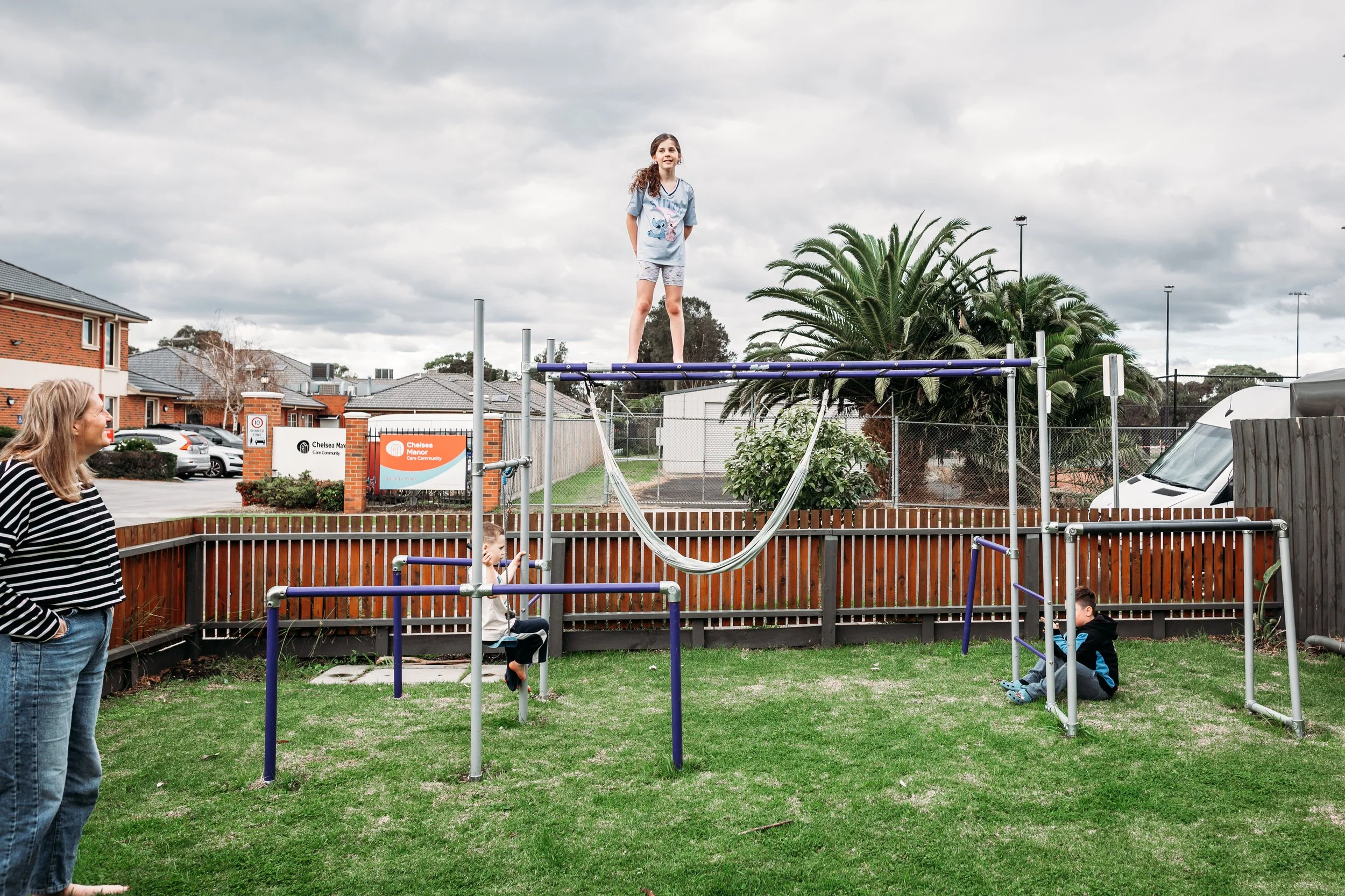
I photograph a pretty even mix of neurodivergent and neurotypical families. Some families tell me about their neurodivergence before they book, some mention it along the way, and sometimes it never comes up at all.
If you were to scroll through my portfolio, I'm pretty confident you wouldn't be able to tell which families are neurodivergent and which aren't. When I mention how many neurodivergent families I photograph, people often seem genuinely surprised, almost as though they expected to be able to pick them out. I find that interesting, because I think there's still an assumption that neurodivergent family photography must somehow look different.
But why would it?
They're families. I'm photographing families. The goal is exactly the same.
Neurodivergent families are still just families
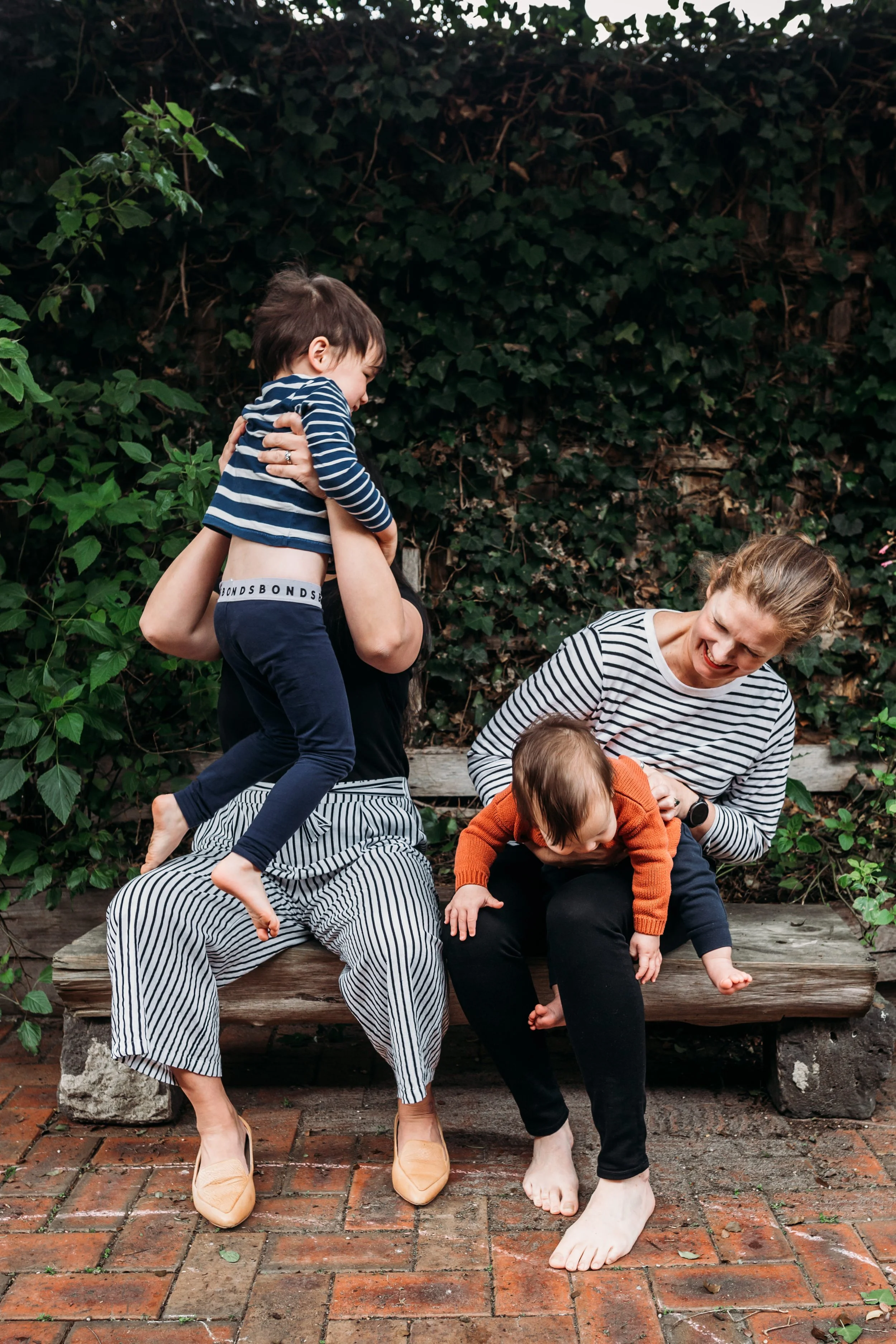
I think sometimes we can get so caught up in talking about neurodivergence, accommodations, accessibility and all the things that might need to happen differently that we forget something fairly fundamental. Neurodivergent families are families.
They love each other, annoy the shit out of each other, have inside jokes, make dinner, argue about who's putting their shoes on and spend an extraordinary amount of time looking for things somebody has lost behind the couch. There are relationships, personalities, routines and all the ordinary things that make a family what it is.
None of that changes because someone in the family has a disability, a diagnosis or different support needs.
When I'm photographing a family, I’m completely interested in those relationships and what your life actually looks like. I want to see how you interact, how you spend your time and what makes you you. That doesn't change depending on whether someone has a diagnosis.
I don't approach a neurodivergent family thinking I need to create a different kind of photograph. I'm still looking for exactly the same things I look for with every family I photograph.
Neurodivergence is part of the overall picture, not necessarily the focus
When I photograph a family, I'm interested in the whole picture. Their relationships, personalities, the way they communicate, how they spend time together and all the things that make their family theirs. Neurodivergence might influence plenty of those things, sometimes enormously, but I don't automatically need to make it the subject of the photographs.
It's part of their family life, and I photograph it as part of their family life.
And I think this is where photography can sometimes get a little strange when disability or neurodivergence is involved. There's an expectation that the photographs should somehow communicate it, explain it or draw attention to it. As though the viewer needs to be told that this family is different before they're allowed to appreciate the photograph.
Ummm, can we not? If a family wants their neurodivergence to be part of the story they're telling, fantastic. But surely that should be their choice, rather than something we automatically expect from them?
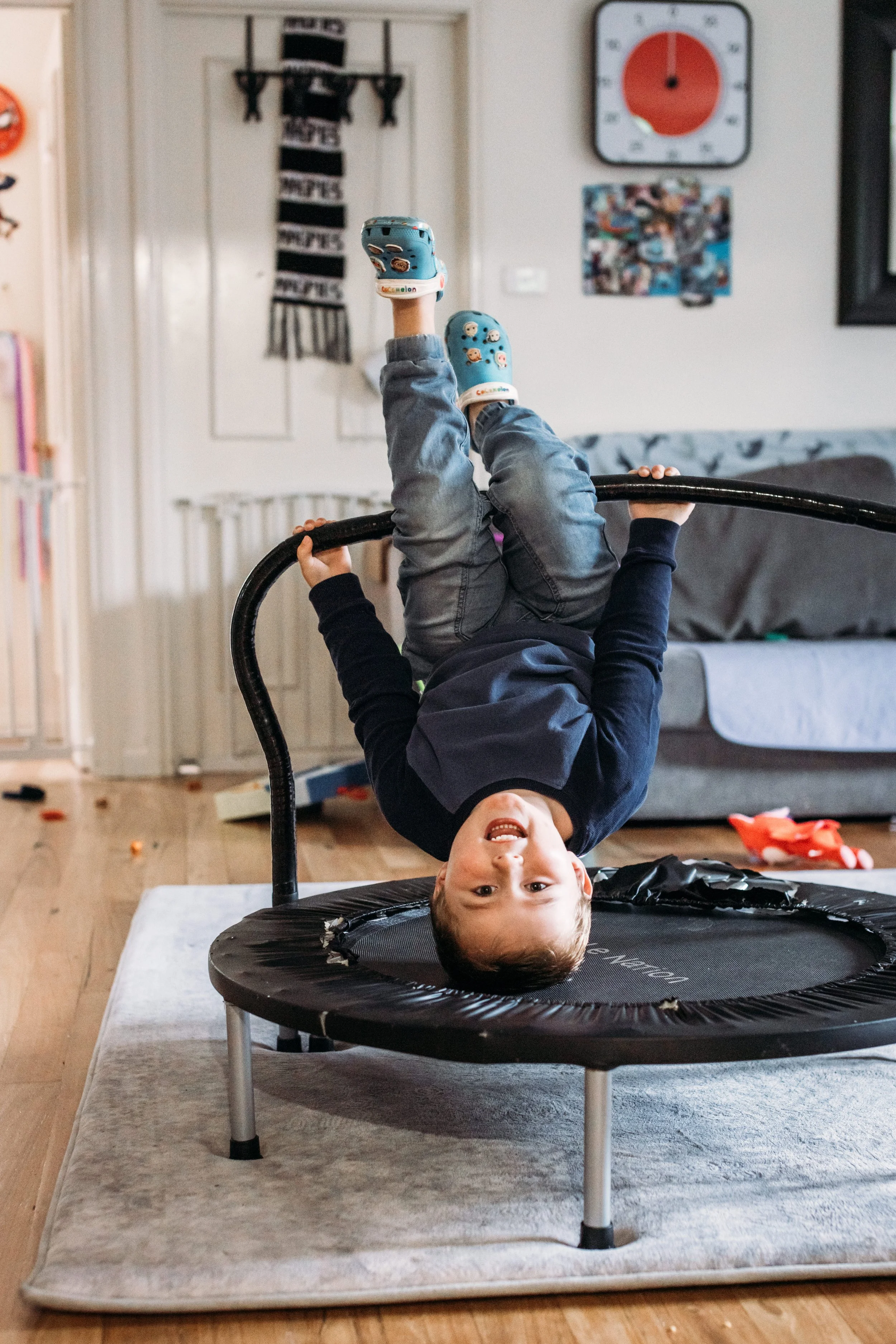
Why can't it just be a photograph of a family having breakfast, playing in the backyard or hanging out on the couch?
That doesn't mean hiding neurodivergence either
Just because neurodivergence doesn't need to be the focus of a photograph doesn't mean I'm interested in removing it from the picture. Quite the opposite actually - I bloody love the environment being the unofficial extra family character in shoots.
If a family uses communication devices, sensory supports, headphones, visual schedules or other equipment in their everyday life, I'm not interested in removing those things to make the photographs look more conventional. They're part of the environment, just as much as the toys on the floor, the washing piled on the couch or the half-finished breakfast sitting on the table.
I actively encourage families to use whatever supports make their lives easier during a session, and I don't want anyone feeling they need to pack them away because there's a photographer in the house. If somebody communicates using an AAC device, that's how they communicate. If headphones help someone feel comfortable, they can wear their headphones. And if somebody needs to move around, take a break or spend some time doing their own thing, that's perfectly fine too.
I'm not going to make a big performance out of including those things in the photographs, but I'm certainly not going to hide them either. Sometimes those supports will be quite visible and sometimes they won't. Neither makes the photographs any more or less representative of that family.
So why do the photographs look the same?
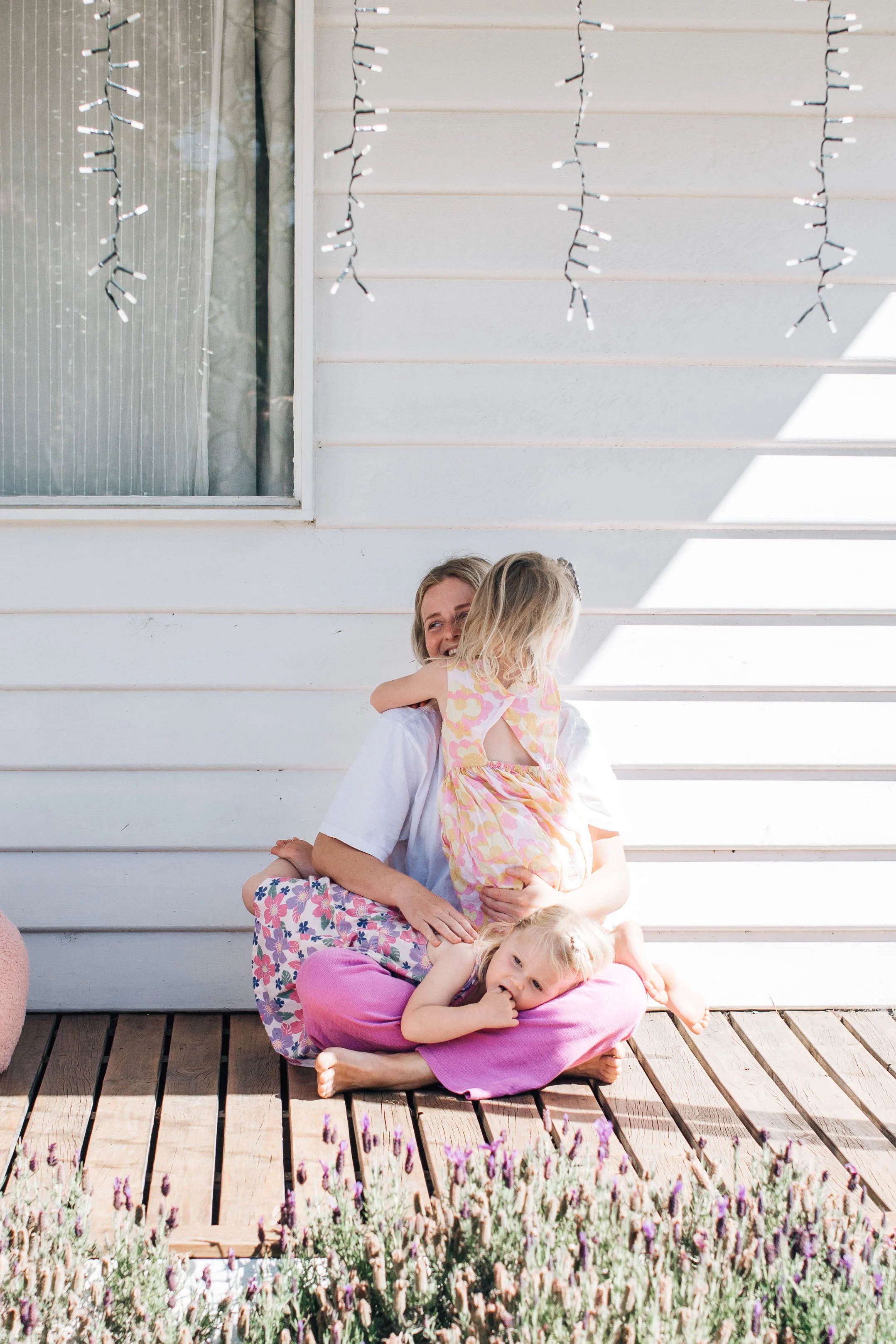
Because with the right support, a neurodivergent family photoshoot really can be just a family photoshoot.
That doesn't mean every session unfolds in exactly the same way. Of course it doesn't. Some families need more preparation, some need particular communication approaches, and sometimes the entire plan changes once I arrive. But that's true of family photography more broadly too. No two families are the same, and I've never understood why we'd expect them to be. There's no predictable, guaranteed approach with ANY family.
When I talk about making family photography more accessible to neurodivergent families, I'm not talking about creating a completely different product with a different goal. I'm talking about making sure families who might have assumed photography wasn't possible for them have the same opportunity to have their lives documented. The additional support might be important, sometimes enormously so, but it doesn't mean the finished photographs need to look like a separate category of photography.
You might see a child laughing with their dad, siblings piled together on a couch or a family spending the afternoon in their backyard. You don't know what conversations happened beforehand, whether somebody needed a break or whether I changed my approach halfway through. You don't necessarily need to know any of that to understand what you're looking at. You're looking at a family, and the love, joy, humour and relationships I'm photographing aren't somehow different because neurodivergence is part of their lives.
I don't need to point at a photograph and announce that somebody is neurodivergent, and I certainly don't need to congratulate myself publicly for having photographed them. Families don't need to become an example of inclusion simply because they've booked a photographer. They deserve photographs of their family for exactly the same reasons anyone else does. Because their kids are growing up, because their relationships matter, and because one day they'll want to remember what their home looked like, what everyone was obsessed with that year, or how the whole family somehow ended up squashed onto one couch.
Neurodivergence might influence how that life looks, and it might influence how I photograph it. I'm not ignoring that, and I'm certainly not pretending it doesn't exist. But the goal has never been to make neurodivergent families look like neurotypical families.
The goal is to photograph families as they are.